Whimsical Tile Mosaic Puzzle
Review
Whimsical Tile Mosaic Puzzle delivers a straightforward sliding tile experience with no timers or scoring, which suits players who want a quiet mental exercise. Three cartoon scenes and multiple grid sizes provide variety and a gentle difficulty curve. The family-friendly design and simple tap or click controls make it accessible to children and adults alike. The main limitation is the small number of scenes, which may reduce long-term variety for players who solve quickly.
About
How the Sliding Grid Works
Each puzzle presents a scrambled image divided into square tiles, with one empty space on the grid. Tapping or clicking a tile that sits directly next to the gap slides it into that space. By repeating this action, you gradually reorder the pieces until the full picture is restored. The control scheme is simple enough for a first-time player to grasp within seconds, yet the sequence of moves requires planning several steps ahead. There is no countdown timer and no scoring system, so you can pause, reconsider, or walk away without penalty.
Three Scenes and Their Visual Style
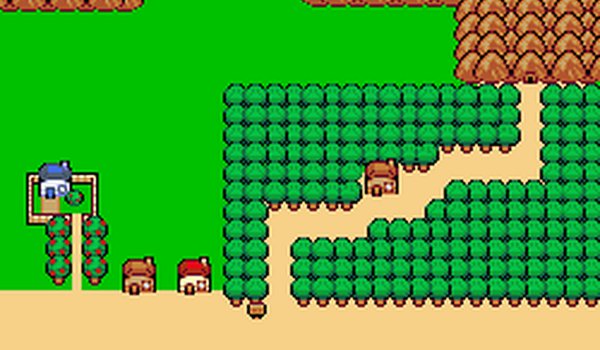
The game includes three distinct cartoon scenes, each built around pastel colors and soft, rounded shapes. The artwork is designed to be pleasant without pulling attention away from the puzzle itself. Gentle curves and playful details create a soothing backdrop that supports sustained focus. Because the scenes are visually calm, they do not add pressure or distraction while you work through a grid.
Choosing Your Challenge Level
Three play modes let you pick a grid size that matches your comfort level. Beginners can start with a smaller board to learn how tiles move and how the empty space constrains each step. More experienced players can select a larger grid, which increases the number of possible moves and the complexity of planning. This structure lets the game scale with your ability without forcing a difficulty spike.
Problem-Solving Without Pressure
Success depends on patience and observation rather than speed. A common approach is to complete one row or one corner first, then work outward from that anchor. The completed image is available as a reference, which helps you decide where a tile belongs without revealing the exact move sequence. Because there are no penalties or time limits, younger players can experiment freely, and adults can treat each session as a quiet mental exercise.
Compatibility
FAQ
Comments
Sign in to leave a note
You must be logged in before posting a review or rating.
No comments yet. Be the first to comment!




Editorial Notes