Quiet Stories: A Peaceful Narrative Journey
Review
Quiet Stories: A Peaceful Narrative Journey is best suited to players who enjoy reading-driven games and unhurried exploration. Its strengths lie in the branching Yarnspinner dialogue, the calm musical atmosphere, and the freedom to revisit rooms for new details. The mouse-only interface keeps interactions simple. The main limitation is that the game offers no action or puzzle mechanics, so players seeking traditional challenges may find it too passive.
About
Rooms as Storytelling Spaces
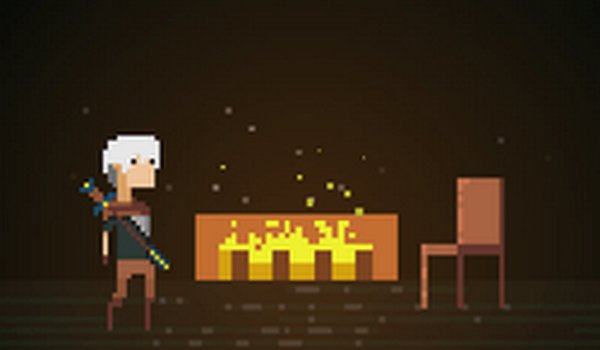
Each room in Quiet Stories functions as a self-contained narrative space. A single inhabitant lives there, and their life has been shaped by the room's atmosphere and history. Rather than rushing between scenes, players sit with one person at a time, using the mouse to select dialogue options that appear on screen. The minimal interface keeps attention on the conversation itself. There is no timer, no fail state, and no penalty for pausing to consider a response.
Dialogue Choices and Branching Paths
The Yarnspinner narration engine drives a branching dialogue system. Every click on a dialogue option opens new lines of conversation and shifts the player's understanding of the character. Choices are not about winning or losing; they determine which parts of a story surface and which remain hidden. Because the game tracks these branches, revisiting a room after making different selections can reveal dialogue that was previously unavailable. This structure rewards curiosity and careful listening rather than speed.
Music, Mood, and Pacing
The soundtrack, inspired by the atmosphere of Night In The Woods, reinforces the game's unhurried tone. Music and ambient sound work together to signal emotional shifts without interrupting the player's reading rhythm. Sessions are designed to be short, which suits the five-minute tag and makes the game easy to pick up during a break. The overall effect is closer to reading a collection of linked short stories than playing a traditional puzzle or action game.
Replay and Reflection
Since each playthrough can surface different details, the game encourages returning to rooms and trying alternate dialogue paths. There is no wrong choice, and the game does not grade the player's decisions. Instead, the branching structure asks players to consider each character's perspective and to notice how the room itself reflects that person's history. The philosophical tag fits this reflective approach: the game is less about solving something and more about sitting with someone else's experience.
✅ Compatibility & Testing
FAQ
Comments
Sign in to leave a note
You must be logged in before posting a review or rating.
No comments yet. Be the first to comment!








Editorial Notes